3899 Jackson St #7, Denver, CO 80205, United States

(800) 319-2608

(720) 459-5252

Mon - Fri: 9:00am - 6:30pm

Online support always open

Denver moving company

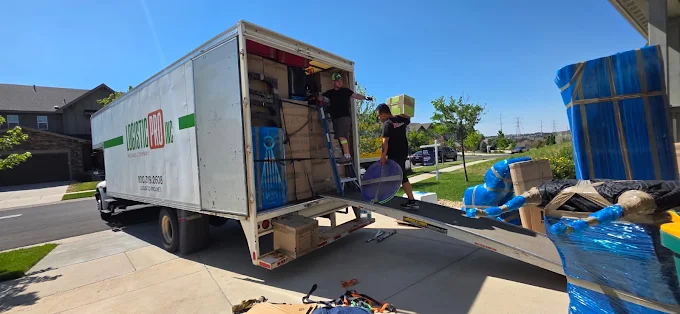
Moving truck outside a residential apartment building in Denver, Colorado.
Affordable local movers USA, Logistic Pro long-distance movers

Apartment vs. House Moving in Denver: What’s Different?

Moving into a new home is exciting, but the moving process can look very different depending on where you live. Moving from an apartment in downtown Denver is not the same as moving from a single-family house in the suburbs. Building rules, elevators, parking, stairs, and the number of belongings can all affect how moving day works. When comparing Local Moving Services in Denver, CO, it is important to choose a moving plan that fits your property and access conditions. Whether you’re moving from an apartment to a house, downsizing, or relocating to another apartment, understanding these differences can help you prepare and avoid unnecessary stress. Let’s look at what makes apartment and house moves different and what you should consider before booking your movers. 1. What Is the Main Difference Between Apartment and House Moving? The biggest difference between apartment and house moving is access. Apartment moves often involve shared hallways, elevators, building schedules, and loading restrictions. House moves usually offer more direct access through a driveway or garage but may involve more rooms, furniture, stairs, and outdoor areas. Here is a quick comparison: Moving factor Apartment move House move Building access Shared entrances and hallways Usually private entrances Elevators May require reservations Usually not needed Parking Loading zones or limited spaces Driveway or street parking Stairs Common in walk-up buildings Depends on the number of floors Moving inventory Often fewer rooms May include more furniture and storage Building rules Management restrictions may apply HOA rules may apply in some communities Loading time Can depend on elevator and access windows Can depend on room count and carry distance These differences can affect the crew size, truck requirements, moving schedule, and overall estimate. For example, a small apartment on an upper floor may require more coordination than expected because movers must work around a shared elevator. Meanwhile, a larger house with a clear driveway may offer easier loading access despite having more belongings. 2. Why Do Apartment Moves in Denver Require More Building Coordination? Apartment moves often require additional planning because multiple residents share the same entrances, elevators, hallways, and parking facilities. Before booking your movers, check with building management to understand the moving rules and reserve the necessary spaces. Some Denver apartment buildings require residents to book a freight elevator or loading dock for a specific time. Others request proof of insurance from the moving company before allowing a crew into the building. These requirements can affect how quickly belongings can be moved. For example, if you’re leaving a high-rise apartment in LoDo, you may need to reserve the freight elevator and confirm the loading area before your moving truck arrives. Older walk-up buildings in areas such as Capitol Hill may create different challenges because of narrow stairways and tight turns. Before moving day, confirm: Whether a freight elevator reservation is required. Which entrances movers are allowed to use. Whether the building requires a Certificate of Insurance (COI). The available loading dock or truck parking area. Approved moving hours and any weekend restrictions. Whether large furniture can fit through the hallways and stairwells. Share these details with your moving company early. Logistic Pro Movers specifically identifies elevator reservations, building insurance requirements, parking, and stairs as important parts of planning Denver apartment moves. You can explore its local moving services in Denver to learn more about the company’s moving process. 3. What Should You Expect When Moving From or Into a House? House moves can involve more belongings, larger furniture, and multiple floors. Even when a house provides easier truck access, movers may need extra time to clear bedrooms, garages, basements, storage areas, and outdoor spaces. Unlike apartments, houses usually do not have shared freight elevators or building move-in windows. However, access can still become difficult when the driveway is narrow, the property has several staircases, or the truck cannot park close to the entrance. For example, moving from a three-bedroom house may involve furniture from several bedrooms, kitchen appliances, garage tools, patio furniture, and basement storage. These items can increase the total moving inventory even when the property has convenient access. Before requesting a moving estimate, consider: How many bedrooms and storage areas are being moved. Whether the home has a basement or multiple floors. The distance between the entrance and parking area. Whether large furniture needs disassembly. Whether outdoor furniture, grills, or garage equipment are included. Any narrow doors, staircases, or tight hallways. Don’t forget items stored in sheds, garages, and storage rooms. They can add more volume than homeowners initially expect. A complete inventory helps your movers plan the right equipment, crew size, and truck capacity. 4. How Do Apartment and House Moves Affect Moving Costs and Timing? Apartment and house moves are priced according to several factors, not simply the property type. The total volume of belongings, number of movers, access conditions, distance, packing requirements, and time needed to complete the work all influence the estimate. An apartment move is not always cheaper. A smaller apartment on the fourth floor without an elevator may require more handling time than a house with a larger inventory but easy driveway access. Similarly, a large house may require more movers and a bigger truck because of its furniture and storage contents. When requesting quotes for Local Moving Services in Denver, CO, provide the following information: Property size: Share the number of bedrooms and approximate inventory. Floor level: Explain whether either property has stairs or elevators. Parking: Tell the company how close the truck can park to the entrance. Large furniture: Identify pianos, safes, sectionals, and other specialty items. Packing needs: Mention whether you need full packing, partial packing, or transportation only. Moving date: Confirm your preferred date and any restrictions on move-in time. Logistic Pro Movers describes its estimate process as including an in-home or video walkthrough, an inventory review, and an assessment of access conditions. This helps the team plan the crew size and expected work time before moving day. Always request a written estimate that explains

Affordable local movers USA, Cheap movers USA, Expert moving services USA, Logistic Pro long-distance movers

Local Moving Services in Denver, CO: How to Make a Local Move Faster and Easier

Relocating to a new apartment, house, or office can be an exciting experience, but it usually requires more planning than you anticipate. The tasks of packing your belongings, arranging transport, safeguarding your furniture, and coordinating your timetable can soon become quite stressful. Hiring professional moving services that are based in Denver, CO, can help to make the whole process more organized and easier to manage. People move to Denver for all sorts of reasons, such as taking a new job, growing their family, needing new housing, or seeking a fresh start in a new neighborhood. Whatever your reason, if you prepare in advance and use a reliable moving company, you can save time, keep your possessions safe, and settle into your new home more easily. This guide from Logistic Pro Movers shows you how to plan a local move, avoid common mistakes, and make moving day easier. What do local moving services in Denver, CO entail? Local moving companies help individuals, families, and businesses move their belongings between nearby locations. These services usually include loading, transporting, unloading, and, for packages, help with packing and moving furniture. Hiring professional movers reduces physical effort and helps you organize your moving schedule more efficiently. Instead of handling every detail yourself, you can plan around a fixed timetable and discuss your needs with your moving company. Local moving services may be useful when you’re: Moving from an apartment to a house Relocating to another Denver neighborhood Moving into a new rental property Downsizing or moving into a smaller home Relocating a small business or office Moving furniture between residential properties Before you book, make sure you know which services your estimate covers, as some moves need only transportation and loading, while others benefit from packing, furniture disassembly, or extra handling. What can you do to make a local move quicker and easier? The simplest way to carry out a local move is to start getting ready before moving day. Make a checklist, get rid of items you don’t need, sort out your packing, and arrange transportation as early as possible. These steps prevent last-minute decisions and make it easier to track your important items. A practical moving plan should cover the following tasks: Four weeks before moving, confirm your moving date, research moving companies, set a budget, and start sorting your belongings. Two weeks before you move, pack items you don’t use often, arrange the transfer of your utilities, update your address, and check building access requirements. A week before your move, complete most of the packing, clearly label the boxes, and make a list of what you need. The day before you move, make sure your important documents, medications, chargers, keys, and essential toiletries aren’t packed in the moving truck. For instance, when you move from an apartment in Denver to a nearby house, it makes sense to pack your seasonal clothes and decorative items first so you have fewer things to sort out on the last day. How do you choose the right moving company in Denver? When selecting a moving company, don’t just compare prices; look for good communication, clear estimates, appropriate insurance, and a service plan that matches the scale and complexity of your move. When comparing local moving companies in Denver, consider these factors: Request written estimates with a detailed quote outlining the services included and any extra charges. Ask if the company regularly carries out moves similar to yours. For insurance and liability, confirm the extent of coverage for your belongings and what responsibilities apply if something is damaged. For scheduling, confirm the arrival window, expected duration, and procedures for delays. For customer reviews, look for consistent comments about punctuality, communication, and careful handling. Available services include packing, furniture disassembly, and other support. Be sure to tell the moving company about stairs, elevators, long carries, restricted parking, or oversized furniture, since these details can affect planning, timing, and cost. Logistic Pro Movers suggests that customers discuss their moving needs in advance so they know the arrangements before moving day. What should you pack before moving on day? Packing room by room and labeling each box with what’s inside and where it’s going makes it easier. Start with items you don’t use every day, then move on to everyday essentials as the moving date nears. To protect delicate items, use strong boxes and the right packing materials. When filling the boxes, put heavier objects in smaller ones so they’re easier to lift, and don’t leave empty spaces, as they can allow objects to shift during transport. Follow these practical packing tips: Label each box with the room name and a short description. Wrap the glassware, dishes, and delicate decorations separately. Put screws and other small hardware from furniture that has been taken apart in labeled bags. Put books and other heavy objects in manageable amounts. Sort out your valuables, personal documents, and essential medications. Before you unplug them, take photographs of the complex electronics connections. Pack a bag with a change of clothes, toiletries, snacks, water, chargers, and anything else you will need right after you arrive. If packing seems like too much, ask your moving company whether they offer professional packing assistance; help with certain rooms or delicate items can save time and reduce the risk of damage. What do local moving services in Denver cost? The price for a local move varies based on factors such as the amount of furniture, the distance between the two properties, the number of movers needed, access conditions, and the services you request. Additional considerations may include packing help, special items, stairs, and difficult parking situations. Moving into a smaller flat usually requires fewer resources than moving a large family home with several bedrooms and lots of furniture. But the exact cost depends on the specifics of the job, not just the type of property. To help estimate your moving expenses: List your main furniture and appliances. Work out how many boxes you will need. Check for stairs, elevators, parking