
3899 Jackson St #7, Denver, CO 80205, United States

(800) 319-2608

(720) 459-5252

Mon - Fri: 9:00am - 6:30pm

Online support always open

Denver Movers

Protect floors and walls during a move in Denver CO
Furniture movers USA, Logistic Pro long-distance movers

How to Protect Hardwood Floors, Walls, and Furniture During a Denver Home Move

Moving into a new home is an exciting experience, but scratches, dents, and accidental damage can turn moving day into a stressful experience. Knowing how to Protect Floors and Walls During a Move in Denver, CO can help homeowners keep their property in good condition while relocating household belongings. From hardwood flooring and painted walls to doorways, staircases, and furniture, every area needs proper attention during the moving process. Heavy furniture, moving equipment, dirt, and repeated foot traffic can damage surfaces if the right precautions are not taken. Weather conditions in Denver can also create additional challenges, especially during rainy or snowy days when moisture and debris may enter the home. Whether you are moving from an apartment, townhouse, or single-family home, proper preparation can reduce the risk of property damage. This article explains practical ways to protect your home and belongings before, during, and after your Denver relocation. Table of Contents Why Home Protection Matters During a Move How to Protect Floors and Walls During a Move in Denver Best Ways to Protect Hardwood Floors How to Prevent Wall and Doorway Damage Protecting Furniture During Loading and Unloading Essential Materials for Moving Day Protection Common Moving Mistakes to Avoid When to Hire Professional Movers in Denver, CO Moving Day Protection Checklist Frequently Asked Questions Why Home Protection Matters During a Move A residential move involves several activities, including lifting furniture, carrying boxes, navigating hallways, and loading belongings into a moving truck. Each activity can create opportunities for accidental damage when surfaces and belongings are not properly protected. Some common moving-day problems include: Scratches and dents on hardwood flooring. Scuff marks on painted walls and baseboards. Damage to door frames and hallway corners. Scratches on wooden furniture and cabinets. Carpet stains caused by mud, dirt, and moisture. Damage to stair railings and entryways. These problems can happen in both the home you are leaving and the property you are moving into. Preparing both locations before moving day can help reduce unnecessary repairs and make the relocation process more organized. For Denver homeowners, weather is another factor worth considering. Rain, snow, and mud can enter through exterior doors and affect floors when movers repeatedly walk between the house and the moving truck. How to Protect Floors and Walls During a Move in Denver Protecting your home’s surfaces starts with identifying the areas that will experience the most activity. Main entrances, hallways, staircases, and doorways usually need extra attention because they are common routes for carrying furniture and boxes. Before moving begins, inspect the property and prepare these areas with suitable protective materials. 1. Identify High-Traffic Areas Walk through your home and identify the routes movers will use. These may include the front entrance, connecting hallways, staircases, and rooms containing large furniture. Pay attention to narrow passages and areas where furniture may need to turn. Planning these routes in advance helps reduce unnecessary movement and accidental contact with walls. 2. Prepare Protective Coverings Use suitable protective materials in areas where repeated foot traffic or equipment movement is expected. Floor runners, protective boards, and furniture blankets can help create barriers between household surfaces and moving activity. Make sure coverings are secured properly and do not slide, curl, or create tripping hazards. 3. Measure Large Furniture and Access Points Measure large furniture pieces before moving day. Compare their dimensions with doorways, hallways, staircases, and other access points. This helps determine whether furniture needs to be rotated, partially disassembled, or moved through a different entrance. Planning these details in advance can help prevent scratches, dents, and unnecessary handling. Best Ways to Protect Hardwood Floors Hardwood flooring can improve the appearance of a home, but its finished surface can be vulnerable to scratches, dents, and moisture. Heavy furniture and small particles of dirt can cause damage if the flooring is not prepared correctly. 1. Clean Floors Before Placing Protection Sweep or vacuum the moving path before installing protective coverings. Small particles of dirt, gravel, and dust can become trapped underneath runners and create scratches. Pay particular attention to: Entryways and front doors. Hallways connecting different rooms. Areas around staircases. Living rooms with large furniture. Paths leading toward the moving truck. Starting with clean flooring helps reduce the risk of damage underneath protective materials. 2. Use Floor Runners and Protective Boards Floor runners and protective boards create a barrier between hardwood flooring and moving traffic. Depending on the surface and expected activity, homeowners can consider: Neoprene floor runners for walking paths. Heavy-duty floor protection boards for high-traffic areas. Suitable protective paper for lighter foot traffic. Non-slip coverings designed for hard flooring. Choose materials that are appropriate for the flooring finish. Avoid applying ordinary packing tape or unsuitable adhesives directly to finished hardwood because they may leave residue or damage the surface. 3. Use Furniture Sliders Carefully Furniture sliders can make it easier to reposition sofas, dressers, tables, and cabinets. For safer use: Clean furniture legs before placing sliders. Choose sliders designed for hard flooring. Make sure the furniture is stable. Avoid forcing heavy items across the floor. Lift furniture when practical instead of dragging it. If an item is especially heavy or difficult to maneuver, appropriate moving equipment and experienced handling may be a safer choice. 4. Prevent Moisture and Dirt From Entering Denver weather can change quickly, so moving during rain or snow requires additional preparation. Place entrance mats near exterior doors, keep cleaning supplies available, and check protective runners throughout the move. Clean up spills promptly rather than allowing water to remain on hardwood surfaces. How to Prevent Wall and Doorway Damage Walls, door frames, baseboards, and staircase corners can become damaged when large furniture is carried through narrow spaces. Here are some practical ways to reduce the risk of accidental damage. 1. Measure Furniture and Doorways Before moving large items, measure their height and width. Also check doorway openings, hallway widths, staircase turns, and ceiling clearance. A sofa or wardrobe that fits easily inside a room may require a different angle when passing
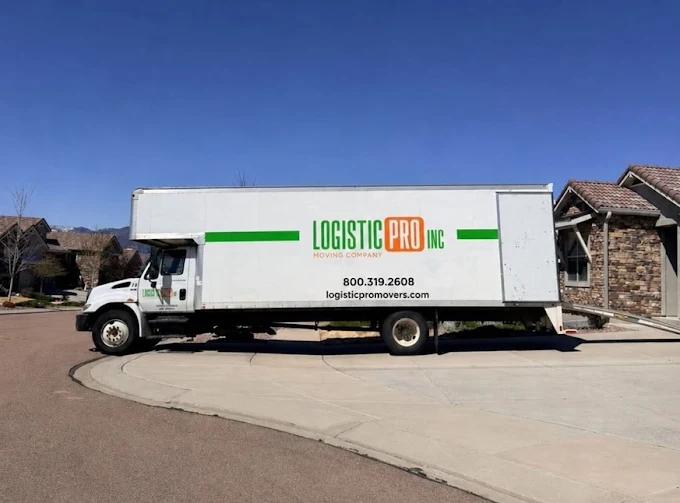
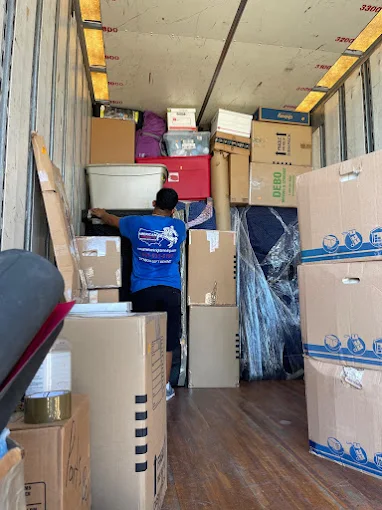
Professional movers helping with a residential move in Denver, CO.
Moving Service, Professional home moving services

How Much Does It Cost to Hire Movers in Denver? Factors That Affect Your Price

How Much Does It Cost to Hire Movers in Denver? Factors That Affect Your Price Planning a move can be exciting, but figuring out how much it will cost is often one of the biggest challenges. Whether you are moving from an apartment, relocating your family home, or transferring your business, understanding your moving expenses can help you plan ahead. The cost of Professional Moving Services in Denver, CO depends on several factors, including the size of your move, travel distance, number of movers required, packing needs, and property access. Two moves of similar size can have very different prices depending on the services and conditions involved. In this guide, Logistic Pro Movers explains what affects moving costs in Denver, what services may be included in your estimate, and how you can keep your relocation within budget. How Much Do Professional Moving Services Cost in Denver? Professional moving costs in Denver can range from a few hundred dollars for a small apartment to several thousand dollars for a larger household. Your final price depends on the amount of furniture and belongings, labor time, travel distance, and additional services. As a recent market reference, moveBuddha’s October 2026 Denver cost guide reports the following typical local moving estimates: Home Size Estimated Moving Cost Studio apartment $413 1-bedroom home $574 2-bedroom home $929 3-bedroom home $2,146 4-bedroom home $2,462 5+ bedroom home $3,788 These figures come from third-party moving cost data covering 192 licensed local full-service movers in Denver. They are general market benchmarks, not fixed prices or quotes from Logistic Pro Movers. Your actual estimate may be higher or lower depending on your moving requirements. For long-distance relocations, pricing is usually based more on shipment size, weight, and total distance than on the hours needed for a local move. You can review the Denver moving cost breakdown to compare additional estimates. What Factors Affect the Cost of Hiring Movers in Denver? Several details can influence your moving estimate. Understanding these factors before requesting a quote can help you avoid unexpected expenses. 1. Size of Your Home and Number of Belongings The size of your move is one of the biggest pricing factors. A studio apartment usually requires fewer movers, less truck space, and less loading time than a four-bedroom house. However, the number of belongings matters just as much as the number of rooms. A small apartment filled with heavy furniture and storage boxes may require more work than a larger home with fewer items. Money-saving tip: Sort through your belongings before moving. Donate, sell, or discard items you no longer need. Moving fewer items can reduce loading time and the amount of truck space required. 2. Distance Between Your Locations How far are you moving? The distance between your current home and your new destination can directly affect transportation costs. For local moves within Denver and nearby communities, pricing may be based on crew size, labor hours, and the company’s local travel or minimum-charge policy. For long-distance moves, companies generally consider the total mileage and size of the shipment when preparing an estimate. Fuel, transportation planning, and delivery arrangements may also affect the final price. Before booking, provide both pickup and delivery addresses so the moving company can assess the route and prepare a more accurate estimate. You can explore long-distance and other moving services from Logistic Pro Movers to understand the available relocation options. 3. Number of Movers and Time Required The number of movers needed for your relocation can also affect the cost. A larger household or a property with heavy furniture may require a bigger crew to complete the job efficiently. The total labor time can depend on how many items need to be loaded, whether furniture needs to be disassembled, and how easily movers can access both properties. For example, moving a small apartment with direct ground-floor access may take less time than moving a fully furnished home with multiple staircases and limited loading access. Ask your moving company how crew size, hourly charges, minimum service hours, and travel time are calculated. 4. Packing and Additional Services Packing is another important factor when estimating moving expenses. Some customers prefer to pack everything themselves, while others need help preparing fragile belongings, furniture, kitchen items, and electronics. Professional packing, furniture protection, disassembly and reassembly, and specialty crating may increase the total cost depending on what you request. Logistic Pro Movers offers packing and full-service moving options, allowing customers to discuss the level of assistance needed for their relocation. You can review the company’s professional packing and moving services to explore the available options. Practical tip: If you want to manage your budget, pack everyday household items yourself and ask about professional assistance for fragile or specialty belongings. 5. Stairs, Elevators, and Property Access Property access can make a significant difference in how long a move takes. Apartments with stairs, busy downtown buildings, limited parking, and long distances between the truck and entrance can require extra labor. For example, movers may need additional time to carry furniture down several flights of stairs or wait for an elevator reservation. In some situations, a smaller shuttle vehicle may also be needed when a moving truck cannot reach the property directly. Before requesting your estimate, tell the moving company about: Staircases or walk-up apartments. Elevator reservations and building restrictions. Limited parking or loading zones. Long walking distances from the truck to your entrance. Narrow hallways, doorways, or difficult furniture access. Providing these details early helps the company plan the right crew, equipment, and time for your move. 6. Moving Date and Scheduling Your moving date can affect availability and scheduling options. Weekends, month-end dates, and popular summer moving periods may be in higher demand, so it is a good idea to contact movers early. Flexible scheduling may give you more options when comparing quotes and arranging your preferred moving date. Try to book your moving service in advance, especially if you are relocating during a busy period or need a specific pickup

Professional movers carrying furniture during a local move in Denver, CO
Uncategorized

What Does Full-Service Moving Entail? A Complete Guide for Homeowners in Denver

If you’ve been looking at various quotes, you’ll most likely have noticed that the meaning of ‘full-service moving’ is a bit different according to who you’re asking. In Denver, Colorado, full-service moving usually includes all the work from packing to unloading, but since the range of services offered differs so much from company to company, it’s important to know what should be covered before you decide to book. The following guide explains what a true full-service move involves, what is often provided as an extra service, and how you can prevent paying for things you don’t really need. What does a full-service move actually involve? A full-service moving operation involves the packing, loading, transportation, unloading, and basic positioning of furniture, all carried out by the moving company’s staff. The concept is that you won’t have to do any of the physical work; instead, you only need to tell them where the items should go. The core components typically include: Since not all companies that offer full-service include every one of these features by default, you should ask the company to verify each one rather than make an assumption. What Is Typically Excluded, Even in the Case of a Full-Service Move? Specialty item handling, storing for a length of time longer than a brief grace period, and the process of unpacking at the destination are usually left out or provided only as extra paid services, even in moving packages that are otherwise very comprehensive. It is important to be aware of this in advance so that there are no surprise fees on the day of the move. Things to specifically ask about: Hint: When making your booking, request a written list specifying precisely what is included, rather than just being given a verbal answer such as ‘yes, we provide full-service‘. Having a written list will protect you in the event that anything is overlooked on the day of the move. Is packing included, or is it an extra charge? To a large extent this varies from company to company and is therefore one of the most important points to check before making a booking; while some full-service moving companies offer complete packing as part of their standard service, others provide it only as an extra service in addition to the basic move. A few packing-related questions worth asking directly: If full packing seems like more than you need, partial packing is a sensible compromise: you can handle the simpler rooms yourself and have the moving company take care of anything fragile or time-consuming, such as the kitchen or a home workspace. What is the cost of a full-service move in Denver? Since full-service moves are more expensive than those that only involve labour, the price includes the cost of materials, the time taken for packing, and more thorough handling. However, the exact amount largely depends on the size of the home and the distance involved. An apartment with two bedrooms is considerably less expensive than a four-bedroom house, and the final price takes into account the number of workers, the number of hours worked, and the materials used. Cost factors that matter most: The best way to get an accurate figure is to request an in-home or video estimate rather than a phone quote, since a company can’t properly assess your packing needs without seeing what you own. Is the extra cost of full-service moving worthwhile? Yes, for many people, particularly when it is more important to them to save time, reduce physical effort, or alleviate stress than to cut labour costs. Hiring a full-service moving company means paying more but with considerably less physical and administrative work. It tends to make the most sense when: A move of this kind might seem less appealing if you have a small apartment, are free with your time, and are not minded about having to pack yourself; in such a situation, a labor-only or partial-service move could save a considerable sum of money. How can one select a reliable full-service mover in Denver? Before booking, find out whether the company is a licensed carrier or just a broker, and check its standing with the Federal Motor Carrier Safety Administration (FMCSA); this one step eliminates much of the negative experience people have after a move. The difference is greater than most people realize: the carrier owns the trucks and hires the drivers who come to your door. A broker, on the other hand, sells your move to a different company, sometimes one you haven’t heard of until the day you move. Neither arrangement is automatically a scam, but if you’re paying for full service, you should know exactly who is looking after your possessions. A short vetting checklist: Frequently Asked Questions How many days ahead should I book a full-service move in Denver? A reasonable goal is two to four weeks in advance, although weekends and the end of the month tend to book up faster because of higher demand from lease turnover. If you book earlier, you will have more flexibility with regard to date and crew availability. Does a full-service moving service involve taking apart furniture? In most full-service moving arrangements, the basic disassembly and reassembly of furniture such as bed frames and large shelving is included. However, check that this applies to any unusual or custom furniture you own, as very large or complicated pieces may need extra time. Will the moving company pack delicate items such as glassware and artwork? Certainly, standard packing usually includes fragile items, often with additional padding and special boxes. For particularly valuable or sentimental fragile items, mention them so the team knows to handle them with extra care. Does a full-service move include insurance? Basic released-value coverage is usually provided at no extra charge, but it typically pays by weight rather than by the item’s actual value. If you have high-value possessions, ask about optional full-value protection. May I have partial packing rather than full packing? Yes, some moving companies offer partial packing, where

Moving Service

Making Your Denver Move Easier With Full-Service Moving Services

Moving is rarely simply about getting boxes from one address to another. Packing, furniture preparation, loading, transportation, unloading, and a long list of small details can easily become overwhelming. If you are considering Full-Service Moving in Denver, CO, the biggest advantage is having a professional team manage the physical work and logistics. Meanwhile, you can focus on your home, family, job, or business. A full-service move can include packing, loading, transportation, unloading, and related support, depending on the company and package you choose. What does full-service moving in Denver, CO entail? When you choose a full-service moving company, this usually involves hiring them to carry out most of the hands-on tasks associated with your move rather than doing them yourself. Such services can cover packing your possessions, safeguarding the furniture, loading the truck, transporting all the items, unloading at the new address, and assisting with positioning or setting things up if this is provided. The extent of the services offered depends on the company, so it’s not valid to assume that ‘full service’ has the same meaning in all cases. It’s a good idea before booking to request a written list outlining what is included. A full-service move may cover: Logistic Pro Movers refers to its full-service option as including packing, loading, transportation, and unloading; it also provides professional packing and storage services on a local and long-distance basis. When Does a Full-Service Move Make Sense? A full-service move can make sense when you have limited time, a large household, heavy furniture, fragile belongings, or a relocation that involves careful coordination. It can also help when you don’t want to spend several days packing and moving everything yourself. Consider full-service moving if you: For instance, a person who is working full-time and moving from a three-bedroom house might find it worthwhile to opt for professional packing and loading rather than spending their evenings and weekends getting hundreds of boxes ready. The key question isn’t simply whether full-service moving is “worth it.” It is whether the time, physical effort, convenience, and coordination it provides justify the cost for your particular move. What should you do to get ready before your move day? Even when you hire professional movers, some preparation can make the task smoother. Start by deciding what you actually want to take. Moving is a good opportunity to donate, sell, recycle, or discard items that no longer serve a purpose. Create a simple inventory of major belongings, and separate anything you will need immediately after arriving. Keep important documents, medications, chargers, basic toiletries, valuables, and a few changes of clothes accessible rather than buried inside the moving truck. Before moving day, you should also: The Federal Motor Carrier Safety Administration advises that you get written estimates, verify the interstate mover’s registration, understand the documents you are signing, and keep all important moving papers during the process. What should you consider when choosing a moving company in Denver? When selecting a moving company you should not limit yourself to looking at the lowest price; you should find out who is going to be handling your possessions, what services are covered, how the pricing is structured, and what protection is in place if anything goes wrong. Start by requesting a detailed written estimate that clearly lists the included services and the situations that might lead to extra charges. You should also ask: For moves between states, the FMCSA tells consumers to confirm the moving company is registered and has a U.S. DOT number; the agency also suggests comparing estimates and reviewing the company’s complaint record before hiring. How does using professional packing services simplify the process of moving? Moving usually makes packing the most time-consuming task because it’s not just a matter of putting everything into boxes. You have to sort the items, wrap them, pack them correctly, label them, and get them ready for transport. Professional packing services are especially recommended for kitchens, glass items, artwork, electronics, decorations, and other delicate possessions; furniture may also need to be covered with blankets, stretch wrap, or other protective material during loading and transport. Logistic Pro Movers offers full and partial packing services, so customers can choose the level of help they need. Its website says its expert packing service uses protective materials for belongings ranging from fragile items to bulky furniture. Partial packing can be a smart option if you want to pack everyday clothing and simple household items yourself but prefer professionals to handle fragile or time-consuming belongings. What is the cost of a full-service move in Denver? There is no fixed price for a full-service move since each relocation is different; the total cost will vary according to the distance, the number of items to be moved, the labor involved, the packing requirements, the sizes of the furniture, the level of accessibility, the chosen moving date, and any extra services. A big house with several flights of stairs will obviously need different resources than a small flat with easy access for loading. Similarly, a customer who packs everything themselves will likely need a different service than one who wants full professional packing. When you are comparing estimates, don’t just look at the total figure. Make sure that the quote includes: What is the difference between local and long-distance moving? Local and long-distance moves require many of the same basic steps, but the logistics can be different. A local move within the Denver area may involve same-day pickup and delivery, while a longer relocation requires more planning for transportation and delivery time. Logistic Pro Movers offers both local and long-distance moving services. According to information on its Denver website, local moves may include furniture protection, disassembly and reassembly, floor protection, moving equipment, and storage if customers cannot collect their goods right away. When moving between states, extra consumer protections and federal requirements apply. The FMCSA says companies that move household goods between states must be registered with the agency, and consumers have certain rights and responsibilities regarding estimates, documentation, and