3899 Jackson St #7, Denver, CO 80205, United States

(800) 319-2608

(720) 459-5252

Mon - Fri: 9:00am - 6:30pm

Online support always open

Moving Checklist

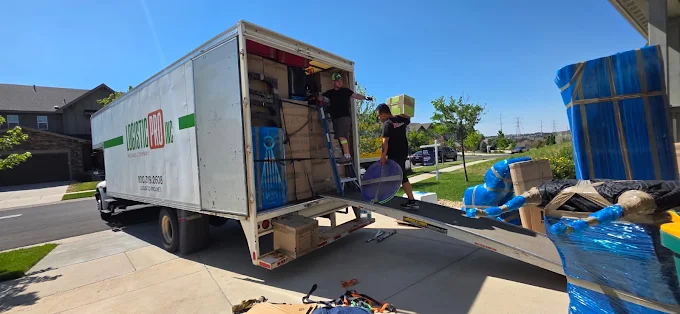
Moving truck outside a residential apartment building in Denver, Colorado.
Affordable local movers USA, Logistic Pro long-distance movers

Apartment vs. House Moving in Denver: What’s Different?

Moving into a new home is exciting, but the moving process can look very different depending on where you live. Moving from an apartment in downtown Denver is not the same as moving from a single-family house in the suburbs. Building rules, elevators, parking, stairs, and the number of belongings can all affect how moving day works. When comparing Local Moving Services in Denver, CO, it is important to choose a moving plan that fits your property and access conditions. Whether you’re moving from an apartment to a house, downsizing, or relocating to another apartment, understanding these differences can help you prepare and avoid unnecessary stress. Let’s look at what makes apartment and house moves different and what you should consider before booking your movers. 1. What Is the Main Difference Between Apartment and House Moving? The biggest difference between apartment and house moving is access. Apartment moves often involve shared hallways, elevators, building schedules, and loading restrictions. House moves usually offer more direct access through a driveway or garage but may involve more rooms, furniture, stairs, and outdoor areas. Here is a quick comparison: Moving factor Apartment move House move Building access Shared entrances and hallways Usually private entrances Elevators May require reservations Usually not needed Parking Loading zones or limited spaces Driveway or street parking Stairs Common in walk-up buildings Depends on the number of floors Moving inventory Often fewer rooms May include more furniture and storage Building rules Management restrictions may apply HOA rules may apply in some communities Loading time Can depend on elevator and access windows Can depend on room count and carry distance These differences can affect the crew size, truck requirements, moving schedule, and overall estimate. For example, a small apartment on an upper floor may require more coordination than expected because movers must work around a shared elevator. Meanwhile, a larger house with a clear driveway may offer easier loading access despite having more belongings. 2. Why Do Apartment Moves in Denver Require More Building Coordination? Apartment moves often require additional planning because multiple residents share the same entrances, elevators, hallways, and parking facilities. Before booking your movers, check with building management to understand the moving rules and reserve the necessary spaces. Some Denver apartment buildings require residents to book a freight elevator or loading dock for a specific time. Others request proof of insurance from the moving company before allowing a crew into the building. These requirements can affect how quickly belongings can be moved. For example, if you’re leaving a high-rise apartment in LoDo, you may need to reserve the freight elevator and confirm the loading area before your moving truck arrives. Older walk-up buildings in areas such as Capitol Hill may create different challenges because of narrow stairways and tight turns. Before moving day, confirm: Whether a freight elevator reservation is required. Which entrances movers are allowed to use. Whether the building requires a Certificate of Insurance (COI). The available loading dock or truck parking area. Approved moving hours and any weekend restrictions. Whether large furniture can fit through the hallways and stairwells. Share these details with your moving company early. Logistic Pro Movers specifically identifies elevator reservations, building insurance requirements, parking, and stairs as important parts of planning Denver apartment moves. You can explore its local moving services in Denver to learn more about the company’s moving process. 3. What Should You Expect When Moving From or Into a House? House moves can involve more belongings, larger furniture, and multiple floors. Even when a house provides easier truck access, movers may need extra time to clear bedrooms, garages, basements, storage areas, and outdoor spaces. Unlike apartments, houses usually do not have shared freight elevators or building move-in windows. However, access can still become difficult when the driveway is narrow, the property has several staircases, or the truck cannot park close to the entrance. For example, moving from a three-bedroom house may involve furniture from several bedrooms, kitchen appliances, garage tools, patio furniture, and basement storage. These items can increase the total moving inventory even when the property has convenient access. Before requesting a moving estimate, consider: How many bedrooms and storage areas are being moved. Whether the home has a basement or multiple floors. The distance between the entrance and parking area. Whether large furniture needs disassembly. Whether outdoor furniture, grills, or garage equipment are included. Any narrow doors, staircases, or tight hallways. Don’t forget items stored in sheds, garages, and storage rooms. They can add more volume than homeowners initially expect. A complete inventory helps your movers plan the right equipment, crew size, and truck capacity. 4. How Do Apartment and House Moves Affect Moving Costs and Timing? Apartment and house moves are priced according to several factors, not simply the property type. The total volume of belongings, number of movers, access conditions, distance, packing requirements, and time needed to complete the work all influence the estimate. An apartment move is not always cheaper. A smaller apartment on the fourth floor without an elevator may require more handling time than a house with a larger inventory but easy driveway access. Similarly, a large house may require more movers and a bigger truck because of its furniture and storage contents. When requesting quotes for Local Moving Services in Denver, CO, provide the following information: Property size: Share the number of bedrooms and approximate inventory. Floor level: Explain whether either property has stairs or elevators. Parking: Tell the company how close the truck can park to the entrance. Large furniture: Identify pianos, safes, sectionals, and other specialty items. Packing needs: Mention whether you need full packing, partial packing, or transportation only. Moving date: Confirm your preferred date and any restrictions on move-in time. Logistic Pro Movers describes its estimate process as including an in-home or video walkthrough, an inventory review, and an assessment of access conditions. This helps the team plan the crew size and expected work time before moving day. Always request a written estimate that explains
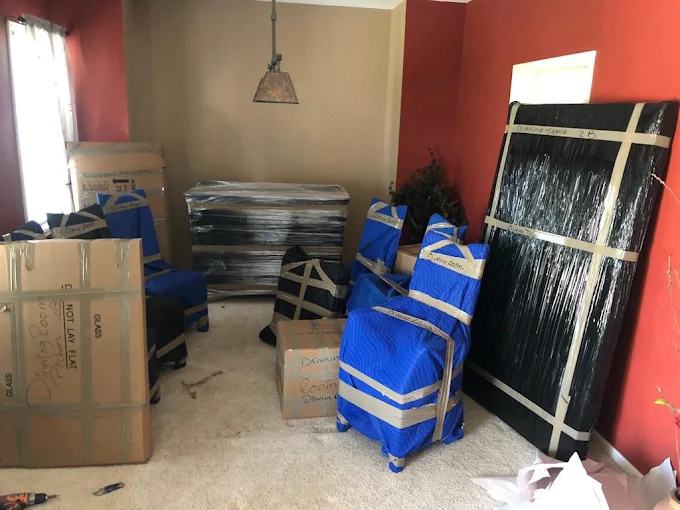
Professional packers preparing household belongings for a move in Denver, CO
Logistic Pro packing services, Moving Service, Professional packing services USA

Professional Packing vs. DIY Packing: Which Is Right for Your Move?

Moving to a new home is exciting, but packing your belongings can quickly become one of the most time-consuming parts of the process. From wrapping fragile kitchen items to organizing furniture, clothes, and electronics, every item needs proper attention before moving day. If you are planning a move in Denver, Colorado, you may be wondering whether to pack everything yourself or hire professionals to handle the job. Both options have benefits. DIY packing can help you control your budget, while professional packing can save time and help protect your belongings during transportation. In this guide, we will compare professional packing vs. DIY packing, explain their costs and benefits, and help you decide which option is right for your move. What Is Professional Packing? Professional packing is a service in which trained packing crews prepare your belongings for transportation. Instead of spending days packing boxes yourself, you can have experienced professionals organize, wrap, and pack your household items. With Professional Packing Denver, CO, residents can choose packing assistance based on the size of their move and the items they need help with. Professional packing services may include: Packing kitchenware, glassware, and other fragile items. Wrapping furniture to help prevent scratches and surface damage. Protecting electronics and delicate household belongings. Organizing boxes by room or item category. Using appropriate boxes, wrapping materials, and protective supplies. Preparing belongings for loading and transportation. At Logistic Pro Movers, customers can explore full and partial packing options based on their moving requirements. You can learn more about the company’s professional packing services. Professional packing can be especially helpful when you have a large household, limited time, or belongings that require extra care. What Is DIY Packing? DIY packing means handling the packing process yourself instead of hiring a professional packing crew. You purchase or collect packing materials, organize your belongings, wrap fragile items, and prepare boxes for moving day. This option works well for people who have enough time to prepare and want more control over how their belongings are packed. Common DIY packing tasks include: Collecting boxes, tape, labels, and protective materials. Sorting belongings and deciding what to keep, donate, or discard. Wrapping dishes, glassware, and other breakable items. Packing clothes, books, toys, and personal belongings. Labeling boxes to make unpacking easier. Preparing furniture and electronics for transportation. DIY packing can reduce the amount you spend on packing labor. However, you must account for materials, your time, and the effort required to prepare everything properly. For smaller moves or households with flexible schedules, packing independently can be a practical choice. Professional Packing vs. DIY Packing: Key Differences Before choosing an option, consider how each approach compares in terms of cost, time, convenience, and protection. Factor Professional Packing DIY Packing Cost Higher upfront service cost Usually lower labor cost Time Saves personal time Can take several days Packing materials Provided according to the service agreement Purchased or collected by you Fragile items Handled by experienced packers Depends on your packing skills Convenience Less work for you Requires planning and physical effort Flexibility Packing plan agreed upon in advance Complete control over your schedule Best for Large moves, busy households, fragile belongings Smaller moves and budget-conscious movers The right choice depends on your priorities. If saving money is your main goal and you have enough time, DIY packing may work well. If convenience and professional assistance matter more, hiring packers may be worth the additional expense. 1. Compare the Total Cost of Packing Budget is one of the biggest factors when deciding between professional packing and DIY packing. Professional packing costs When you hire professional packers, your estimate may include labor, packing materials, and the amount of work required. The final price can vary depending on the size of your home, the number of belongings, fragile or specialty items, and the level of service you choose. Full packing generally involves more work than partial packing, so ask for a quote that clearly explains what is included. DIY packing costs Packing yourself may appear cheaper because you avoid professional packing labor. However, you still need to account for boxes, packing tape, bubble wrap or paper, furniture protection, and other supplies. You should also consider the value of your time, particularly if packing requires taking time away from work or other responsibilities. Money-saving tip: Consider a partial packing service. Pack clothes, books, and other everyday items yourself, then hire professionals to handle delicate glassware, artwork, electronics, and other belongings that need extra attention. This approach can help balance your budget with the need for careful packing. 2. Consider How Much Time You Have Before Moving Day Packing takes longer than many people expect. Even a small apartment can contain hundreds of individual items that need to be sorted, wrapped, and boxed. When DIY packing makes sense DIY packing is a good option if you can start early and work through your home room by room. Create a packing schedule, set aside time each day, and begin with items you rarely use. Leave everyday essentials until closer to moving day. However, waiting until the final few days can create unnecessary stress and increase the risk of rushed packing. When professional packing is better Professional packing is worth considering if you have a large home, a demanding work schedule, or a short moving timeline. A packing crew can work through the agreed scope of your belongings systematically, allowing you to focus on changing your address, arranging utilities, coordinating access, and preparing your new home. If you are arranging a complete relocation, explore Logistic Pro Movers’ moving services to understand the available options for packing and transportation. 3. Protect Fragile and Valuable Belongings Your belongings may include more than clothes and everyday household items. Glassware, mirrors, framed artwork, electronics, decorative pieces, and delicate furniture may require additional protection. Advantages of professional packing Professional packers have experience handling different types of household items. They can select appropriate materials and packing methods based on an item’s shape, weight, and fragility. For example, glassware