Professional Packing vs. DIY Packing: Which Is Right for Your Move?
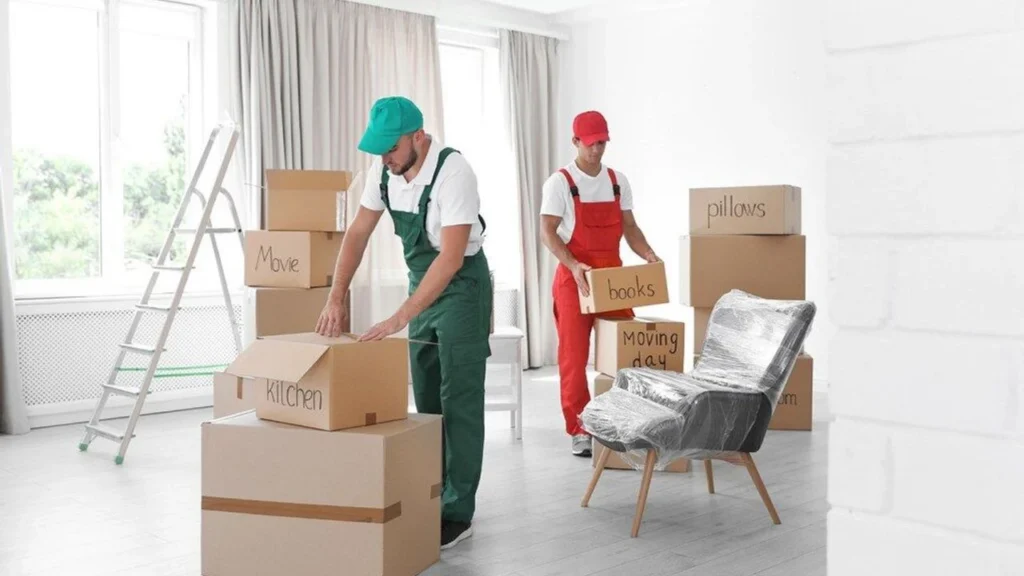
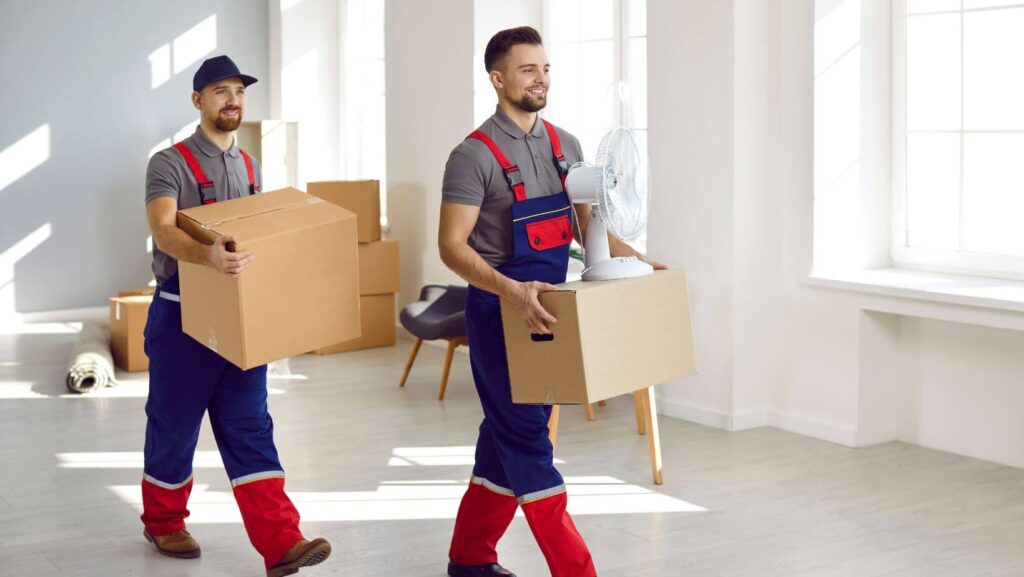
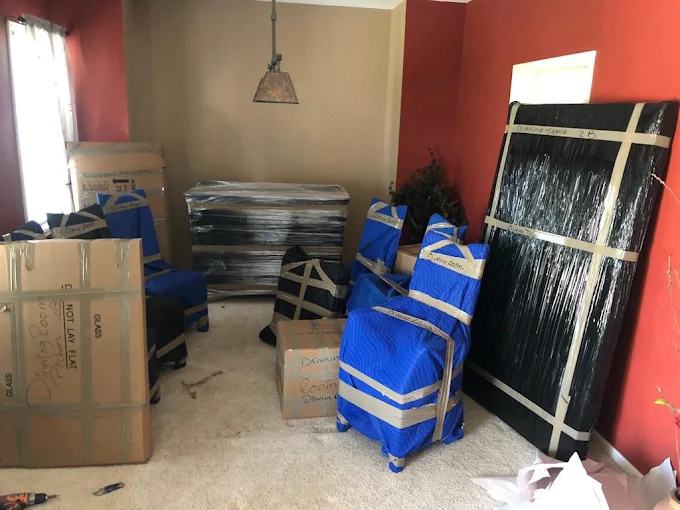
Moving to a new home is exciting, but packing your belongings can quickly become one of the most time-consuming parts of the process. From wrapping fragile kitchen items to organizing furniture, clothes, and electronics, every item needs proper attention before moving day. If you are planning a move in Denver, Colorado, you may be wondering whether to pack everything yourself or hire professionals to handle the job. Both options have benefits. DIY packing can help you control your budget, while professional packing can save time and help protect your belongings during transportation. In this guide, we will compare professional packing vs. DIY packing, explain their costs and benefits, and help you decide which option is right for your move. What Is Professional Packing? Professional packing is a service in which trained packing crews prepare your belongings for transportation. Instead of spending days packing boxes yourself, you can have experienced professionals organize, wrap, and pack your household items. With Professional Packing Denver, CO, residents can choose packing assistance based on the size of their move and the items they need help with. Professional packing services may include: Packing kitchenware, glassware, and other fragile items. Wrapping furniture to help prevent scratches and surface damage. Protecting electronics and delicate household belongings. Organizing boxes by room or item category. Using appropriate boxes, wrapping materials, and protective supplies. Preparing belongings for loading and transportation. At Logistic Pro Movers, customers can explore full and partial packing options based on their moving requirements. You can learn more about the company’s professional packing services. Professional packing can be especially helpful when you have a large household, limited time, or belongings that require extra care. What Is DIY Packing? DIY packing means handling the packing process yourself instead of hiring a professional packing crew. You purchase or collect packing materials, organize your belongings, wrap fragile items, and prepare boxes for moving day. This option works well for people who have enough time to prepare and want more control over how their belongings are packed. Common DIY packing tasks include: Collecting boxes, tape, labels, and protective materials. Sorting belongings and deciding what to keep, donate, or discard. Wrapping dishes, glassware, and other breakable items. Packing clothes, books, toys, and personal belongings. Labeling boxes to make unpacking easier. Preparing furniture and electronics for transportation. DIY packing can reduce the amount you spend on packing labor. However, you must account for materials, your time, and the effort required to prepare everything properly. For smaller moves or households with flexible schedules, packing independently can be a practical choice. Professional Packing vs. DIY Packing: Key Differences Before choosing an option, consider how each approach compares in terms of cost, time, convenience, and protection. Factor Professional Packing DIY Packing Cost Higher upfront service cost Usually lower labor cost Time Saves personal time Can take several days Packing materials Provided according to the service agreement Purchased or collected by you Fragile items Handled by experienced packers Depends on your packing skills Convenience Less work for you Requires planning and physical effort Flexibility Packing plan agreed upon in advance Complete control over your schedule Best for Large moves, busy households, fragile belongings Smaller moves and budget-conscious movers The right choice depends on your priorities. If saving money is your main goal and you have enough time, DIY packing may work well. If convenience and professional assistance matter more, hiring packers may be worth the additional expense. 1. Compare the Total Cost of Packing Budget is one of the biggest factors when deciding between professional packing and DIY packing. Professional packing costs When you hire professional packers, your estimate may include labor, packing materials, and the amount of work required. The final price can vary depending on the size of your home, the number of belongings, fragile or specialty items, and the level of service you choose. Full packing generally involves more work than partial packing, so ask for a quote that clearly explains what is included. DIY packing costs Packing yourself may appear cheaper because you avoid professional packing labor. However, you still need to account for boxes, packing tape, bubble wrap or paper, furniture protection, and other supplies. You should also consider the value of your time, particularly if packing requires taking time away from work or other responsibilities. Money-saving tip: Consider a partial packing service. Pack clothes, books, and other everyday items yourself, then hire professionals to handle delicate glassware, artwork, electronics, and other belongings that need extra attention. This approach can help balance your budget with the need for careful packing. 2. Consider How Much Time You Have Before Moving Day Packing takes longer than many people expect. Even a small apartment can contain hundreds of individual items that need to be sorted, wrapped, and boxed. When DIY packing makes sense DIY packing is a good option if you can start early and work through your home room by room. Create a packing schedule, set aside time each day, and begin with items you rarely use. Leave everyday essentials until closer to moving day. However, waiting until the final few days can create unnecessary stress and increase the risk of rushed packing. When professional packing is better Professional packing is worth considering if you have a large home, a demanding work schedule, or a short moving timeline. A packing crew can work through the agreed scope of your belongings systematically, allowing you to focus on changing your address, arranging utilities, coordinating access, and preparing your new home. If you are arranging a complete relocation, explore Logistic Pro Movers’ moving services to understand the available options for packing and transportation. 3. Protect Fragile and Valuable Belongings Your belongings may include more than clothes and everyday household items. Glassware, mirrors, framed artwork, electronics, decorative pieces, and delicate furniture may require additional protection. Advantages of professional packing Professional packers have experience handling different types of household items. They can select appropriate materials and packing methods based on an item’s shape, weight, and fragility. For example, glassware