Making Your Denver Move Easier With Full-Service Moving Services
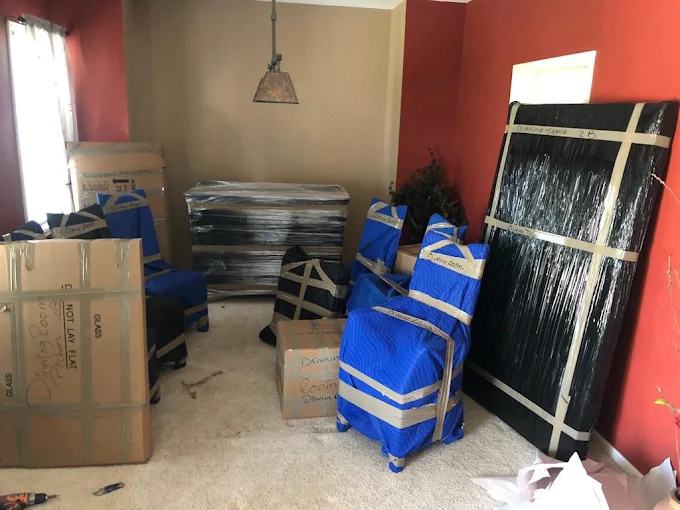
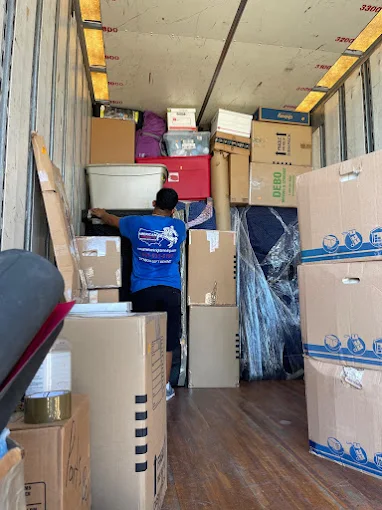
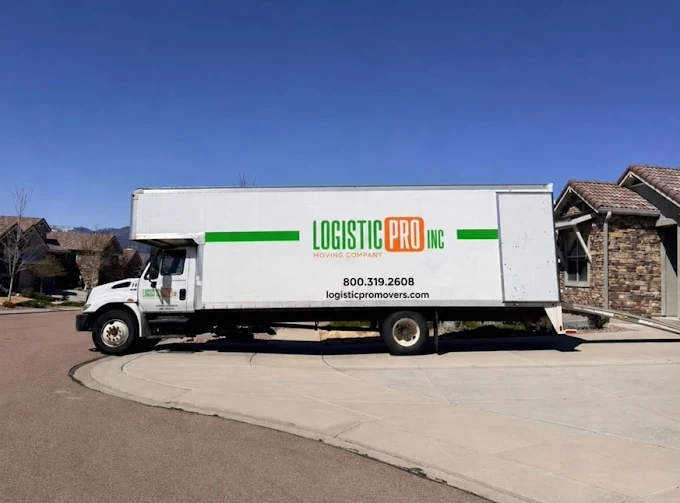
Moving is rarely simply about getting boxes from one address to another. Packing, furniture preparation, loading, transportation, unloading, and a long list of small details can easily become overwhelming. If you are considering Full-Service Moving in Denver, CO, the biggest advantage is having a professional team manage the physical work and logistics. Meanwhile, you can focus on your home, family, job, or business. A full-service move can include packing, loading, transportation, unloading, and related support, depending on the company and package you choose. What does full-service moving in Denver, CO entail? When you choose a full-service moving company, this usually involves hiring them to carry out most of the hands-on tasks associated with your move rather than doing them yourself. Such services can cover packing your possessions, safeguarding the furniture, loading the truck, transporting all the items, unloading at the new address, and assisting with positioning or setting things up if this is provided. The extent of the services offered depends on the company, so it’s not valid to assume that ‘full service’ has the same meaning in all cases. It’s a good idea before booking to request a written list outlining what is included. A full-service move may cover: Logistic Pro Movers refers to its full-service option as including packing, loading, transportation, and unloading; it also provides professional packing and storage services on a local and long-distance basis. When Does a Full-Service Move Make Sense? A full-service move can make sense when you have limited time, a large household, heavy furniture, fragile belongings, or a relocation that involves careful coordination. It can also help when you don’t want to spend several days packing and moving everything yourself. Consider full-service moving if you: For instance, a person who is working full-time and moving from a three-bedroom house might find it worthwhile to opt for professional packing and loading rather than spending their evenings and weekends getting hundreds of boxes ready. The key question isn’t simply whether full-service moving is “worth it.” It is whether the time, physical effort, convenience, and coordination it provides justify the cost for your particular move. What should you do to get ready before your move day? Even when you hire professional movers, some preparation can make the task smoother. Start by deciding what you actually want to take. Moving is a good opportunity to donate, sell, recycle, or discard items that no longer serve a purpose. Create a simple inventory of major belongings, and separate anything you will need immediately after arriving. Keep important documents, medications, chargers, basic toiletries, valuables, and a few changes of clothes accessible rather than buried inside the moving truck. Before moving day, you should also: The Federal Motor Carrier Safety Administration advises that you get written estimates, verify the interstate mover’s registration, understand the documents you are signing, and keep all important moving papers during the process. What should you consider when choosing a moving company in Denver? When selecting a moving company you should not limit yourself to looking at the lowest price; you should find out who is going to be handling your possessions, what services are covered, how the pricing is structured, and what protection is in place if anything goes wrong. Start by requesting a detailed written estimate that clearly lists the included services and the situations that might lead to extra charges. You should also ask: For moves between states, the FMCSA tells consumers to confirm the moving company is registered and has a U.S. DOT number; the agency also suggests comparing estimates and reviewing the company’s complaint record before hiring. How does using professional packing services simplify the process of moving? Moving usually makes packing the most time-consuming task because it’s not just a matter of putting everything into boxes. You have to sort the items, wrap them, pack them correctly, label them, and get them ready for transport. Professional packing services are especially recommended for kitchens, glass items, artwork, electronics, decorations, and other delicate possessions; furniture may also need to be covered with blankets, stretch wrap, or other protective material during loading and transport. Logistic Pro Movers offers full and partial packing services, so customers can choose the level of help they need. Its website says its expert packing service uses protective materials for belongings ranging from fragile items to bulky furniture. Partial packing can be a smart option if you want to pack everyday clothing and simple household items yourself but prefer professionals to handle fragile or time-consuming belongings. What is the cost of a full-service move in Denver? There is no fixed price for a full-service move since each relocation is different; the total cost will vary according to the distance, the number of items to be moved, the labor involved, the packing requirements, the sizes of the furniture, the level of accessibility, the chosen moving date, and any extra services. A big house with several flights of stairs will obviously need different resources than a small flat with easy access for loading. Similarly, a customer who packs everything themselves will likely need a different service than one who wants full professional packing. When you are comparing estimates, don’t just look at the total figure. Make sure that the quote includes: What is the difference between local and long-distance moving? Local and long-distance moves require many of the same basic steps, but the logistics can be different. A local move within the Denver area may involve same-day pickup and delivery, while a longer relocation requires more planning for transportation and delivery time. Logistic Pro Movers offers both local and long-distance moving services. According to information on its Denver website, local moves may include furniture protection, disassembly and reassembly, floor protection, moving equipment, and storage if customers cannot collect their goods right away. When moving between states, extra consumer protections and federal requirements apply. The FMCSA says companies that move household goods between states must be registered with the agency, and consumers have certain rights and responsibilities regarding estimates, documentation, and